 AllCuteDogs
 Pomsky: Complete Guide to Temperament, Care, and Costs
Pomsky: Complete Guide to Temperament, Care, and Costs
Important: The Pomsky crosses the Pomeranian with the Siberian Husky. This mix is not recognized by any kennel club and produces some of the most unpredictable results in the designer dog world.
The “Mini Husky” Misconception
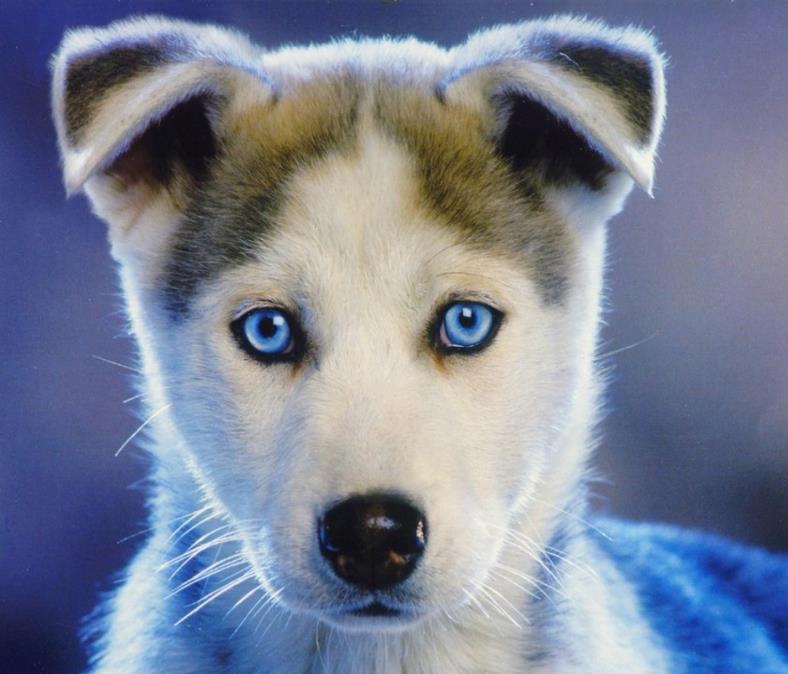
Internet images of adorable miniature Huskies drove explosive demand for Pomskies starting around 2014. The reality is more complicated. Pomskies are not miniature Huskies — they are a cross between two very different breeds that produces wildly variable results. Some puppies look like small Huskies. Others look like large Pomeranians. Many look like neither parent.
The cross is almost always produced through artificial insemination, with the Husky as the mother and the Pomeranian as the father. Natural breeding between these size-disparate breeds is unsafe. First-generation Pomskies typically stand 10 to 15 inches tall and weigh 20 to 30 pounds, but size in later generations is even more unpredictable.
Coats are thick, plush double coats that mirror Husky coloring — gray, black, white, red, and brown with various facial markings. The shedding is significant and constant, with massive seasonal increases. Lifespan is 13 to 15 years.
Temperament: A Genetic Lottery
Both the Pomeranian and the Siberian Husky are stubborn breeds with strong personalities, and the Pomsky inherits willfulness from both sides. Some Pomskies lean toward the Husky’s adventurous independence — athletic, escape-prone, and selectively deaf to recall commands. Others lean toward the Pomeranian’s territorial alertness — vocal, possessive, and suspicious of strangers. Many display a challenging combination of both.
The Husky’s howling tendency and the Pomeranian’s yappy barking can merge into a Pomsky that is vocal in stereo. Noise management should be a training priority from day one.
Energy levels are moderate to high — 45 to 60 minutes of daily exercise keeps most Pomskies balanced. Activities that engage the nose (scent games, treat puzzles) are particularly effective because both parent breeds are mentally active.
Shedding: Accept It or Choose Another Breed
The Pomsky sheds heavily. The thick double coat releases fur constantly at a baseline level and erupts into massive shedding events during seasonal coat blows. Daily brushing during these periods is mandatory; weekly brushing suffices otherwise. The double coat must never be shaved — it provides thermal regulation that the dog depends on.
If shedding bothers you, the Pomsky is not your dog. This is one of the heaviest-shedding designer breeds due to the double-coat genetics inherited from both parent breeds.
Health Issues Across the Size Gap
The dramatic size difference between parent breeds creates unique health risks. Patellar luxation and collapsing trachea come from the Pomeranian side. Hip dysplasia traces to the Husky. Eye conditions including cataracts and corneal dystrophy affect both parent breeds. Dental crowding can occur when a Pomeranian-sized jaw inherits Husky-sized teeth.
Expected lifespan of 13 to 15 years reflects the general longevity advantage of smaller dogs.
Cost Analysis
Pomsky puppies command ~$2,000 to ~$5,000, with pricing driven heavily by appearance — Husky-looking Pomskies with blue eyes fetch the highest prices regardless of temperament or health testing.
Monthly costs average ~$60 to ~$130 for food, care, and supplies. Annual budgets should plan for ~$720 to ~$1,560.
Finding the Right Owner
Experienced dog owners who genuinely accept unpredictability — in size, temperament, appearance, and behavior — and who love the Husky aesthetic in a smaller package will enjoy the Pomsky. The breed rewards owners who appreciate its quirky individuality rather than expecting a standardized product.
First-time owners expecting a miniature Husky with predictable behavior will be frustrated. Those wanting a calm lap dog will be disappointed. People bothered by shedding or barking should look elsewhere entirely.
Training Stubborn Intelligence
Neither the Pomeranian nor the Husky is known for eager obedience, and the Pomsky inherits this dual stubbornness. Patient, creative, positive training produces gradual improvement. Recall training should be intensive but expectations should be realistic — most Pomsky owners learn to rely on secure fencing rather than verbal recall.
Early socialization prevents the territorial barking and stranger wariness that both parent breeds contribute.