 AllCuteDogs
 Pitsky: Complete Guide to Temperament, Care, and Costs
Pitsky: Complete Guide to Temperament, Care, and Costs
Important: The Pitsky crosses the American Pit Bull Terrier (or American Staffordshire Terrier) with the Siberian Husky (or Alaskan Husky). Both parent breeds are powerful, high-energy working dogs that demand experienced handling.
Power Meets Endurance
The Pit Bull was developed for strength, tenacity, and close-quarters work. The Siberian Husky was developed for endurance, speed, and cold-weather survival across vast distances. Combining these breeds produces an athletic, muscular, striking-looking cross with energy reserves that will outlast most owners’ ability to keep up.
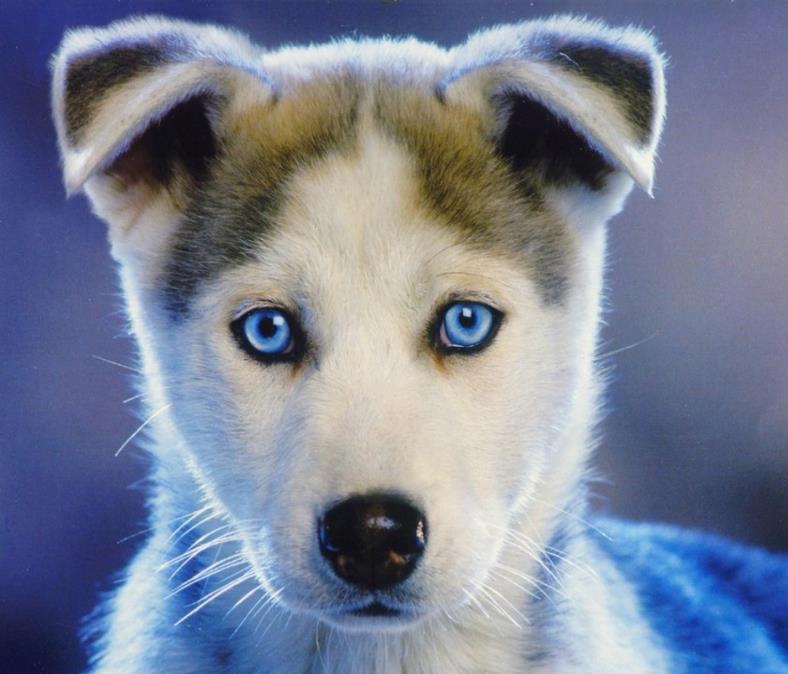
Standing 16 to 25 inches tall and weighing 30 to 80 pounds, the Pitsky is a medium-to-large dog with a dense coat in virtually any color or pattern. Some inherit the Husky’s vivid blue eyes paired with the Pit Bull’s broad, muscular chest — a combination that turns heads everywhere. Lifespan is 12 to 16 years.
Not a Beginner’s Dog
The Pitsky combines two breeds that each require experienced handling, and the cross amplifies the demands rather than averaging them. The Pit Bull contributes powerful physical strength, determination, and high prey drive. The Husky contributes athletic endurance, escape artistry, and selective deafness to commands it finds inconvenient.
Within its family, the Pitsky is typically affectionate, loyal, and people-loving — both parent breeds are renowned for their devotion to humans. The stereotype of Pit Bulls as aggressive toward people is contradicted by their actual temperament data, and most Pitskies are friendly, social dogs that enjoy human attention.
The challenge is management, not temperament. A 70-pound dog with the Pit Bull’s strength and the Husky’s desire to run requires secure fencing (Huskies climb), strong leash handling (Pit Bulls pull), and proactive training that begins in puppyhood and continues throughout life.
Exercise needs are very high — 60 to 90 minutes of vigorous daily activity including running, hiking, or structured dog sports. A Pitsky with insufficient exercise becomes destructive on a scale proportional to its size and strength.
Prey Drive Demands Respect
Both parent breeds carry significant prey drive — the Pit Bull from its terrier heritage, the Husky from its predatory hunting instincts. The Pitsky is not reliably safe around cats, small dogs, or other small animals without extremely careful management and ongoing supervision. Some individual Pitskies can coexist with cats when raised together from puppyhood; others cannot, regardless of training.
Responsible Pitsky ownership means accepting this reality rather than assuming your dog will be the exception.
Grooming by Coat Type
Coat maintenance depends on which parent’s coat dominates. Short, Pit Bull-type coats need weekly brushing. Dense, Husky-type double coats shed heavily and need two-to-three-times-weekly brushing with seasonal coat blow management. Most Pitskies fall between these extremes.
Health Profile
Hip dysplasia is the primary orthopedic concern in dogs this size. Hypothyroidism, cataracts, zinc-responsive dermatosis (especially from the Husky side), skin allergies, and heart conditions are additional health issues to monitor. Both parent breeds are generally healthy, and the Pitsky benefits from their combined genetic diversity.
Costs and Legality
Pitsky puppies cost ~$500 to ~$2,000 — less than many designer breeds because neither parent breed commands designer-dog premiums. Monthly costs of ~$60 to ~$140 reflect the needs of a medium-to-large active dog. Annual budgets should plan for ~$720 to ~$1,680.
Important legal consideration: Many jurisdictions have breed-specific legislation (BSL) that restricts or bans pit bull-type dogs. A Pitsky may be classified as a pit bull under these laws regardless of its mixed heritage. Research your local laws before acquiring a Pitsky, and understand that housing restrictions, insurance limitations, and municipal bans may apply.
The Owner This Cross Needs
Very active, experienced dog owners who can provide substantial daily exercise, secure containment, and consistent training throughout the dog’s life will find the Pitsky a loyal, athletic, rewarding companion.
First-time owners, apartment dwellers, sedentary households, and anyone living in a jurisdiction with pit-bull-type restrictions should not consider this cross. The Pitsky requires a specific owner profile — experienced, active, committed — and suffers significantly in homes that cannot meet its needs.
Lifelong Training Commitment
Early socialization is the single most important investment in a Pitsky’s future. The dog needs extensive positive exposure to other dogs, diverse people, and varied environments during its first 16 weeks. This foundation shapes behavior for life.
Obedience training should begin immediately and continue as an ongoing practice — not a puppy-phase task. Escape-proofing is essential because Huskies climb fences and Pit Bulls have the strength to force through weak spots. Inspect fencing regularly, supervise outdoor time, and never assume containment is secure without verification.