 AllCuteDogs
 Aussiedoodle: Complete Guide to Temperament, Care, and Costs
Aussiedoodle: Complete Guide to Temperament, Care, and Costs
Important: The Aussiedoodle crosses the Australian Shepherd with a Standard or Miniature Poodle. This is an unrecognized mix with extreme variability in size, coat, appearance, and temperament.
Two Brilliant Breeds, One Demanding Cross
When you combine the Australian Shepherd — ranked among the top five most intelligent breeds — with the Poodle — consistently ranked in the top three — you get a cross of extraordinary cognitive ability. The Aussiedoodle can learn complex commands in minutes, solve puzzle toys designed for advanced canine problem-solvers, and develop an understanding of household routines that borders on eerie.
This intelligence is a double-edged sword. An engaged, stimulated Aussiedoodle is a magnificent companion. A bored, understimulated one is a creative destroyer that will find ways to entertain itself that you will not appreciate.
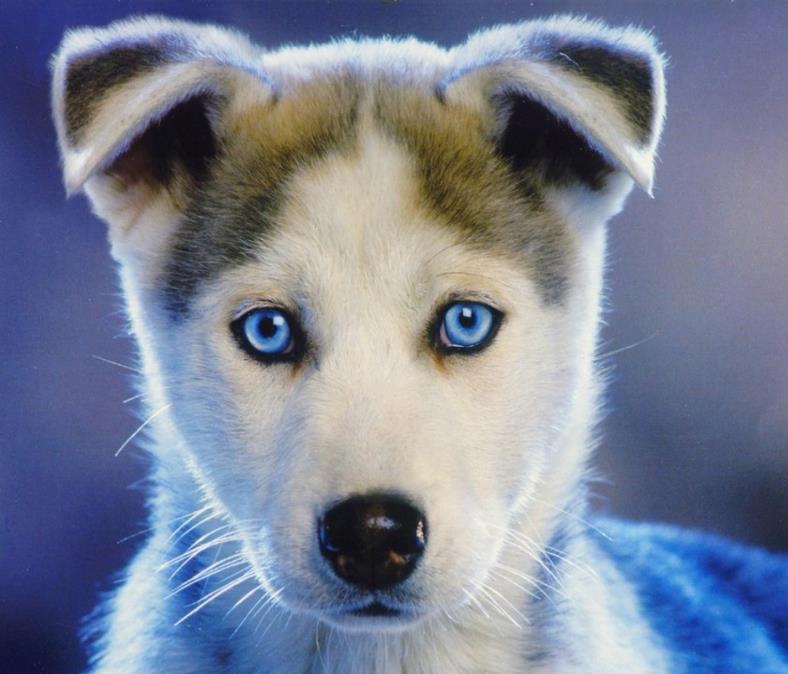
Size varies from 10 to 22 inches and 15 to 70 pounds depending on the Poodle parent. Coats range from wavy to tightly curled in merle, tricolor, phantom, and solid patterns. The merle gene produces uniquely patterned coats where genuinely no two dogs look alike. Some Aussiedoodles inherit the Australian Shepherd’s striking blue or heterochromatic eyes.
Life with an Aussiedoodle
This is a very high energy cross that requires 60 to 90 minutes of vigorous daily activity. Walking is not enough — the Aussiedoodle needs running, swimming, agility work, or other intense physical outlets combined with mental challenges. Both parent breeds were developed for demanding physical and cognitive work, and their offspring need the same.
The Australian Shepherd side may contribute herding behavior — circling, nipping at heels, and attempting to control the movement of children, other pets, and even adults. This instinct requires management through training rather than punishment.
The breed bonds deeply with its family and follows its preferred person from room to room. Separation anxiety can develop if alone time is not systematically introduced during puppyhood.
Coat and Grooming Realities
Daily brushing is the recommended standard, particularly behind the ears and in the leg feathering where mats form fastest. Professional grooming every six to eight weeks maintains a practical length. The Poodle influence means most Aussiedoodles shed less than purebred Australian Shepherds, but “less” does not mean “none.”
Weekly ear cleaning prevents the infections that pendulous ears invite.
Critical Health Warning: Merle Breeding
The merle gene that creates those stunning patterned coats carries a deadly risk when inherited from both parents. Double-merle puppies — the offspring of two merle-carrying parents — are frequently born deaf, blind, or both. No ethical breeder ever produces a merle-to-merle cross. If a breeder cannot explain the merle genetics of their breeding program or produces double-merle puppies, they are not someone you should buy from.
Beyond the merle concern, the Aussiedoodle faces hip dysplasia, epilepsy, progressive retinal atrophy, and a condition called MDR1 gene mutation inherited from the Australian Shepherd side. Dogs with this mutation cannot safely process certain common medications — including ivermectin, the active ingredient in many heartworm preventives. DNA testing identifies affected dogs, and any Aussiedoodle owner should have their dog tested.
Collie eye anomaly is another Australian Shepherd condition that can transfer to offspring.
Expected lifespan is 10 to 13 years with appropriate health management.
What You Will Pay
Aussiedoodle puppies range from ~$1,500 to ~$4,500, with merle-patterned and blue-eyed dogs typically commanding higher prices.
Monthly costs of ~$70 to ~$150 cover food, grooming, and care for a medium to large active dog. Annual budgets should anticipate ~$840 to ~$1,800.
Matching Aussiedoodles to Appropriate Homes
Very active families, dog sport competitors, runners, and experienced owners who understand high-drive dogs will find the Aussiedoodle an exceptional partner. The breed excels in agility, flyball, dock diving, and virtually any structured activity that combines athleticism with problem-solving.
Sedentary owners, first-time dog people unprepared for intense energy, and apartment dwellers without a committed daily exercise plan will struggle. This cross does not downshift for your convenience — it maintains its demanding energy level whether you meet it or not.
Teaching an Overachiever
The Aussiedoodle learns so quickly that the main training challenge is keeping ahead of the dog’s ability. By the time most breeds have mastered “sit,” the Aussiedoodle is ready for complex trick sequences and distance commands.
Channel this intelligence into structured activities rather than allowing the dog to develop its own curriculum. Ongoing training throughout life — not just during puppyhood — keeps the Aussiedoodle’s mind occupied and prevents the behavioral deterioration that occurs in brilliant dogs left without intellectual stimulation.